Building Your Winning Proposal: Insider Tips from APMP-Certified Experts
- Kaana Konya
- Aug 18, 2025
- 4 min read
Proposals are the battleground of every government contractor, but it’s more than checking compliance boxes or regurgitating boilerplate text. Winning comes down to strategy, communication, and using proven approaches from the proposal world’s best: APMP-certified experts.
Whether you’re responding to a massive federal RFP or a smaller agency RFQ, these insider tips will help you focus effort where it counts, wow the evaluators, and craft proposals that rise above the rest.
Strategic Resource Allocation: Focus Where It Counts
A common pitfall in proposal development? Spreading your energy evenly across every single page. APMP Fellows are adamant: not all parts of your proposal will get equal attention, and not every page influences the final score.
Here’s where certified pros put their muscle:
Prioritize scored sections. Dive into the evaluation criteria in the solicitation. Highlight which sections are clearly scored and align your best writers and thinkers there.
Don’t over-invest in executive summaries. Unless it’s a requirement or directly scored, it’s better to use your executive summary as a roadmap or a scoring guide. This isn’t the place to burn hours on ornate copywriting if evaluators might skim (or skip) it.
Maximize strengths in high-value sections. Allocate your graphics team, writers, and subject-matter experts where it most impacts the win.

Tip: Build a resource matrix at project kick-off, pairing your A-team with the most important sections.
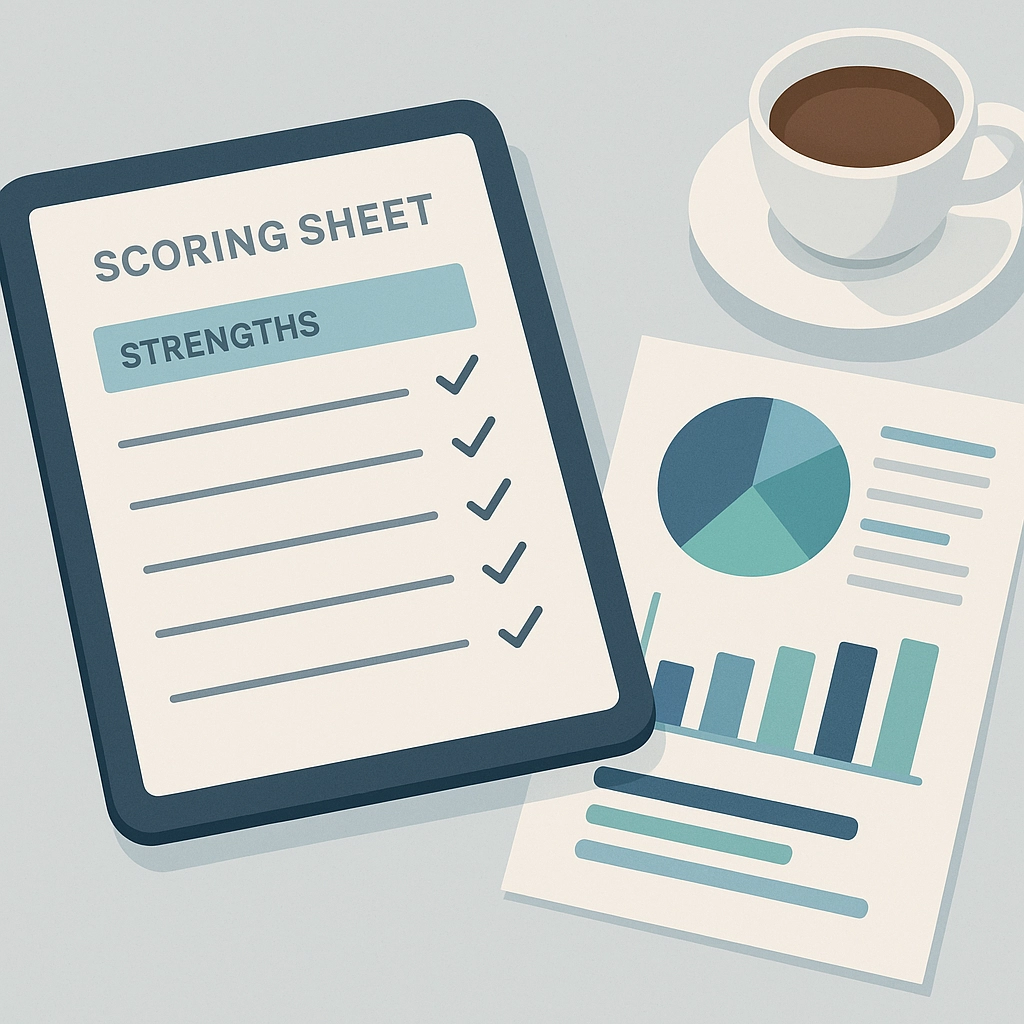
Score with Strengths, Not Just “Win Themes”
We’ve all heard about “win themes”—those key messages you thread through the proposal. But here’s what APMP leaders learned from talking to real-life proposal evaluators: evaluators are trained to find scoring strengths, not “themes.”
APMP-certified experts’ approach:
Translate features into strengths that match criteria. If the solicitation wants “proven risk mitigation strategies,” don’t wax poetic about your awesome corporate values—highlight the risk mitigation tools, case studies, and actual results.
Make strengths obvious. Use callout boxes, summary tables, and bolded text so time-crunched evaluators easily spot your differentiators.
Scoring language over selling language. Align your proposal language directly with the rating scale in the RFP or RFQ.
Remember: Evaluators have a checklist—so make it easy for them to “tick the box” in your favor.
Compliance: The Foundation, Not the Finish Line
Meeting requirements is non-negotiable. But, as APMP’s Body of Knowledge points out, compliance alone is never enough.
Stand out by:
Mapping every response to a solicitation requirement. Create a compliance matrix so nothing is missed.
Responding, not just repeating. Instead of restating the requirement (“We will deliver weekly reports…”), describe the tools, timelines, and benefits of your reporting process.
Linking features to benefits and outcomes. Don’t just declare “we use advanced analytics”—explain how those analytics reduce errors and improve speed (and cite data or past contract outcomes to prove it).
Customer-Focused Content: Write for Reviewers (Not Yourself)
It’s easy to fall into the trap of writing from your own perspective—listing accomplishments, throwing around internal jargon, or relying on recycled content. APMP-certified pros flip the script.
Their best practices:
Start with the client’s hot buttons. What mission or challenge is driving their procurement? Bring that to the top of every major section.
Anticipate how evaluators review. They rarely read every word. Assume they’ll scan for scored items, so use bulleted lists, graphics, and plain language.
Break up “proposal fatigue.” Include relevant graphics, infographics, or process maps to provide a mental break and deliver information visually.
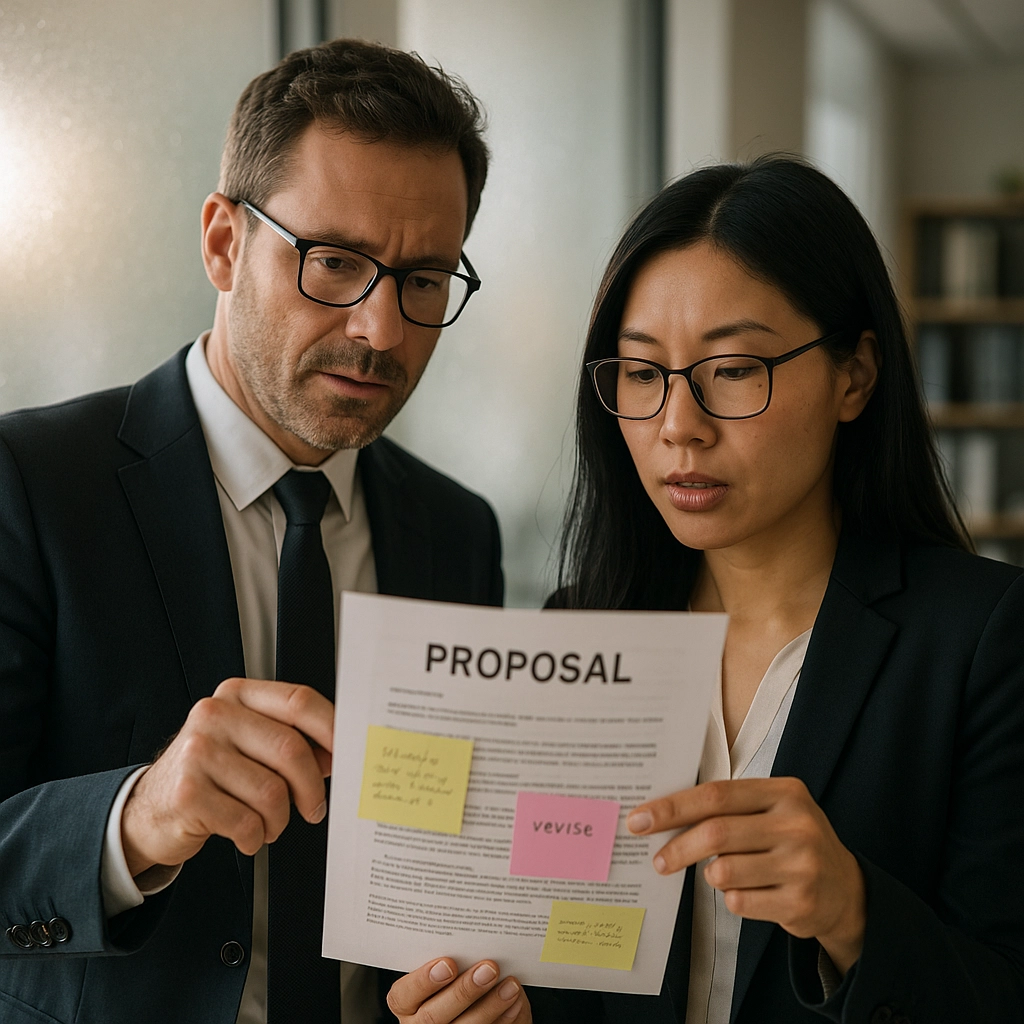
Insider tip: Try a “red team” review. Give your proposal to a teammate not involved in the writing, and have them highlight what stands out in 90 seconds of skimming—then make the important things even more prominent.
Persuasive Writing & Proof Points
Compliance and customer-focus are necessary, but not always sufficient to clinch victory—persuasion is key. APMP pros are masters at persuasive proposal writing.
Techniques that work:
Lead with proof. Back every big claim (“We deliver on time, every time”) with a specific example, metric, or customer quote.
Theme statements, the right way. Each section should start with a theme statement that links your unique strengths directly to the client’s most pressing needs.
Chunk and structure. Organize text in digestible blocks, use clear headings, and make sure every section has a beginning, a middle, and an action-oriented conclusion.
Plan Proactively: Content Maps & Organization
Winging it is not an option in government proposals. APMP-certified experts swear by comprehensive content plans and strategic organization.
Create a content matrix. Before anyone starts writing, lay out each section’s topic, key messages, scoring criteria, and designated writers.
Avoid repetition. Review at the end for redundant language or cut-and-paste copy—both are big “nopes” for evaluators.
Use logical, persuasive flow. Guide evaluators through your solution, showing how each feature builds toward their goals.
Continual Growth: The Value of APMP Certification
What makes APMP-certified professionals stand apart? It’s not just knowledge—it’s their commitment to continually learning the latest in proposal science.
Stay current with trends. APMP offers continuing education, industry events, forums, and conferences. Certified pros never stop getting better.
Bring in proven frameworks. APMP training covers the essentials—sales methodologies, customer management, bid development, and more—so you’re not reinventing the wheel every time.
If you’re looking to elevate your team’s proposal capabilities, consider APMP-certified support—or certification—for that extra edge. The investment pays dividends in more wins, greater proposal efficiency, and less stress along the way.
Ready to Go from Good to Great?
Winning contracts in today’s market isn’t about pouring more hours into every proposal—it’s about getting smart, strategic, and using proven best practices. By focusing your resources, highlighting real strengths, writing for evaluators, and planning proactively, you’ll give your proposal the best shot at rising to the top.
If you’re ready to upgrade your team’s proposal process or need expert proposal management support, visit NVS Strategic Solutions, Inc. to connect with our team of APMP-certified professionals.